What’s Seasonal Affective Disorder? How to tend to your well-being.
Disclaimer: I am not a doctor or medical practitioner. All of the insights that I share with you today are summarized for you by various expert practitioners in the medical field. I am in no way diagnosing you will Seasonal Affective Disorder. If you are experiencing the intensity of SAD, please contact your family doctor or medical practitioner for help.
How can you support yourself when the intensity of winter blues are triggered?
When the seasons shift from warm to cooler temperatures, our body goes through many internal adjustments. As the days get shorter and the night grows longer, many people often experience shifts in their moods. Medical professionals and scientists are still hypothesizing why exactly SAD occurs in many people.
Since we’re human beings, it’s perfectly “normal” to have shifts in moods. It’s only when those mood changes and behaviours become many days, weeks, and months that it’s recommended to seek professional guidance to support your well-being.
About 2 to 3% of Canadians will experience SAD in their lifetime. Another 15% will experience a milder form of SAD that leaves them only slightly depressed, but still able to live their life without major disruptions. People with seasonal affective disorder make up about 10% of all depression cases. There are some groups of people who are at higher risk of seasonal affective disorder. (Canadian Mental Health Association)
If you’re experiencing the strong feelings of the “winter blues” reach out for support and guidance from a medical practitioner. You’re not alone. There are many things you can do to help elevate your mind-body wellness and dig out of that seasonal funk.
Seasonal affective disorder* is a form of depression also known as SAD, seasonal depression or winter depression. In the Diagnostic Manual of Mental Disorders (DSM-5), this disorder is identified as a type of depression – Major Depressive Disorder with Seasonal Pattern. (American Psychiatric Association)
Did you know that SAD can be triggered in the spring and summer months too?
Below are informative resources for you to read up on. Today, I wish to summarize the content that I found in the links below. I know anxiety and depression weigh extremely heavily on the heart and mind. I hope that I can help you in some way to eliminate the frustration of readying on many websites and just share the most important content that may assist you with getting your mind-body wellness back in alignment with groundedness, hope, and peace of mind.
Here are some of the incredible, in-depth resources for you. I invite you to do your own research:
If you’re too overwhelmed to read several websites, keep reading this article for the research I have compiled for you.
And again, if you are experiencing long-winded major mood shifts and symptoms similar to depression, please contact professional medical help and guidance to take care of your well-being.
When you experience mood changes and symptoms similar to depression, it’s often due to the lack of sunlight. When there are long hours of darkness, our brain releases more melatonin, a hormone that is fantastic for sleeping but not for people susceptible to SAD. Because the days become shorter, our circadian rhythm, serotonin levels, and melatonin levels become disrupted. And in turn, our daily routines and rhythms should shift with the internal changes in our bodies.
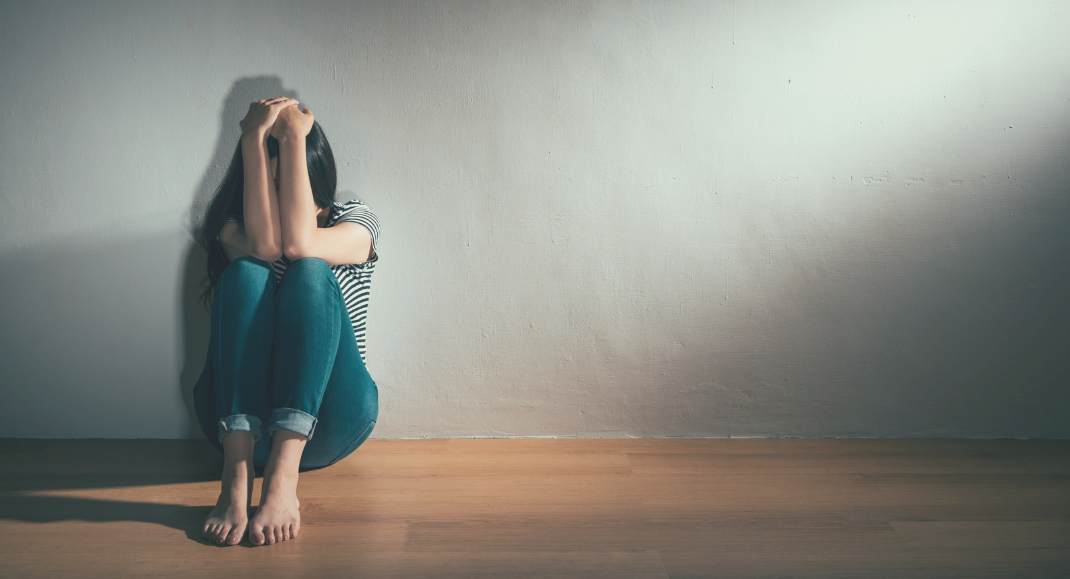
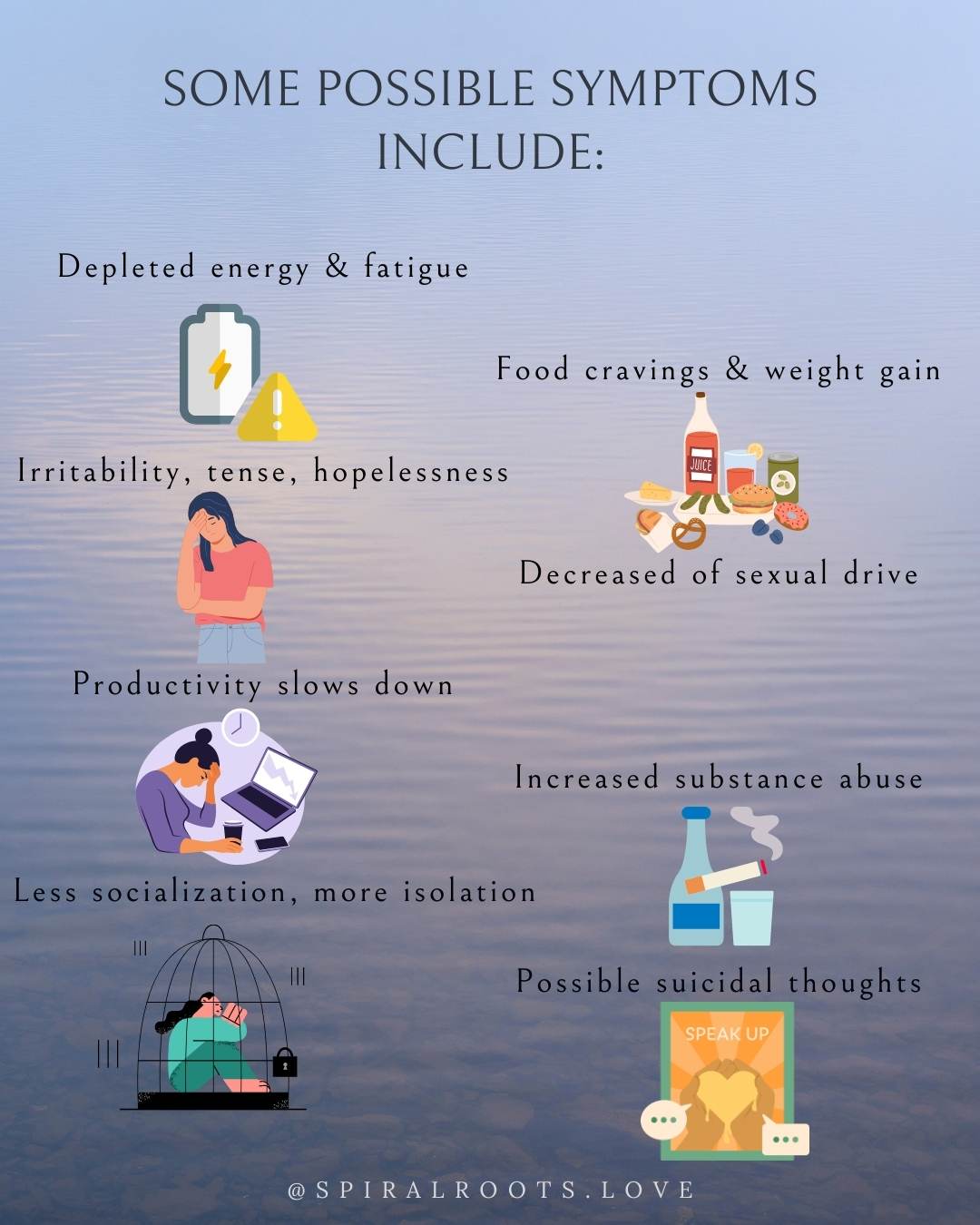
Some symptoms of SAD include:
Depleted energy & fatigue
Food cravings & weight gain: sugary & starchy foods (desperate to spike your mood & fatigue)
Hopelessness, irritability, tense
Hibernation: avoiding socializing
Decreased sexual drive
Difficulty studying, focusing, and productivity slow down
Substance abuse
Possibility of suicidal thoughts (Contact a hotline or professional right away)
USA: If you or someone you know is in immediate distress or is thinking about hurting themselves, call the National Suicide Prevention Lifeline toll-free at 1-800-273-TALK (8255). You also can text the Crisis Text Line (HELLO to 741741) or use the Lifeline Chat on the National Suicide Prevention Lifeline website.
If you or someone you know is in immediate danger, please call 9-1-1.
SAD & Bipolar Disorder
People who have bipolar disorder are at increased risk of seasonal affective disorder. In some people with bipolar disorder, episodes of mania may be linked to a specific season. For example, spring and summer can bring on symptoms of mania or a less intense form of mania (hypomania), anxiety, agitation, and irritability. They may also experience depression during the fall and winter months. (Mayo Clinic)
If you have been professionally diagnosed with bipolar disorder by a medical practitioner, there is a chance that you are susceptible to SAD. The combination of the two mental health challenges can come on very intensely. Please talk to a medical professional for guidance and support.
Similar to allergy season, SAD has its seasons too. Perhaps it’s possible to take preventative measures to lessen the symptoms of SAD. When you’re feeling an onset of mood changes, there are some things you can do to alleviate the depression to come on intensely.
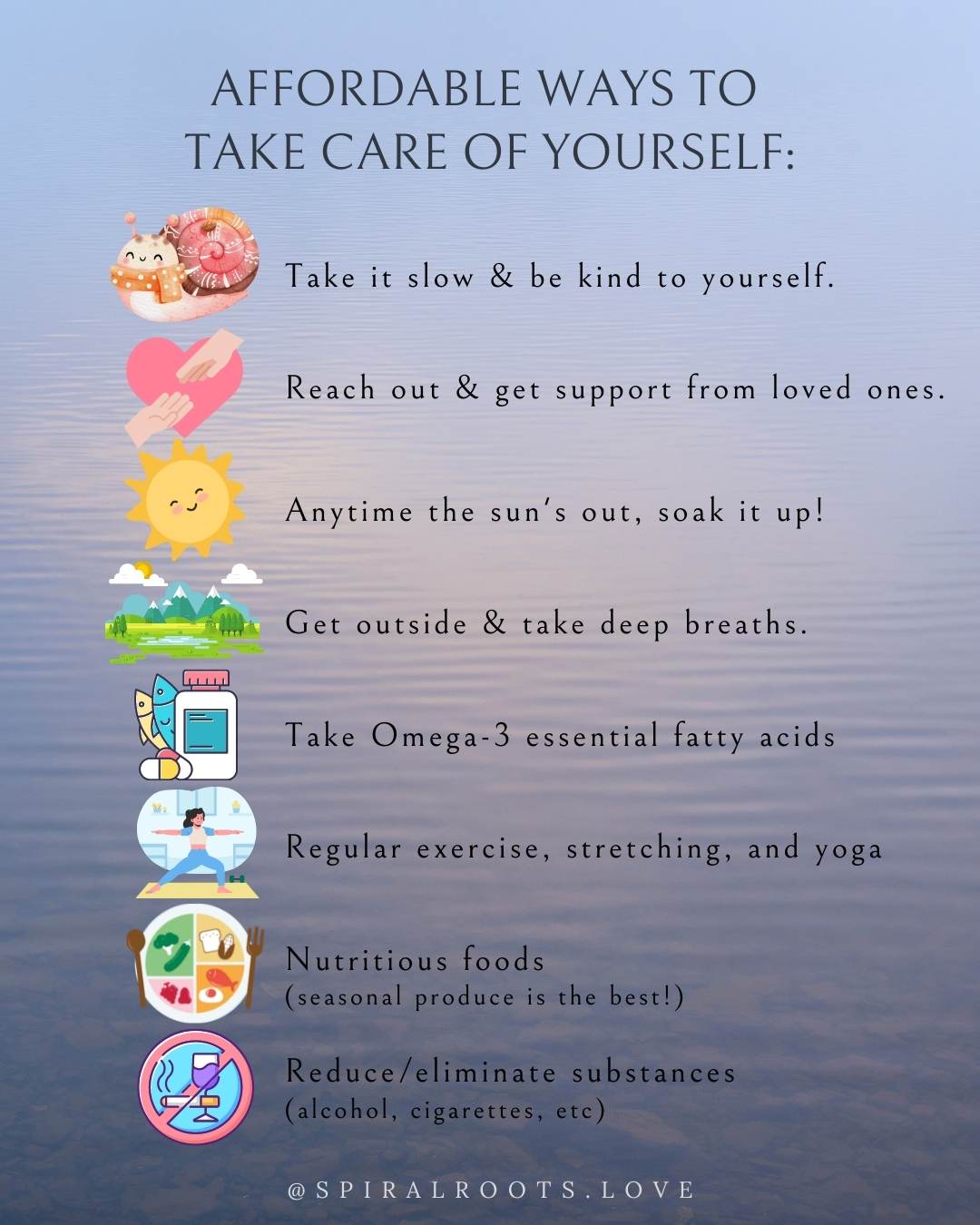
What can you do affordably at home to look after yourself?
Take it slow. Be kind & forgiving to yourself.
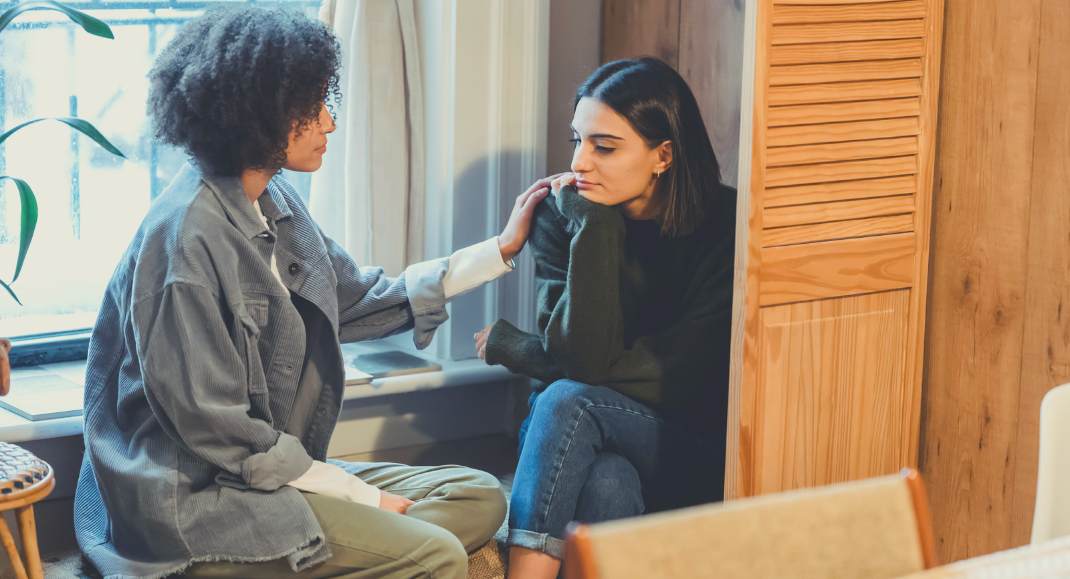
Reach out for support & let your loved ones know about SAD.
Anytime there’s sunlight, let your body soak it up!
Get outdoors in nature. Deep breaths.
Open the curtains, and let some fresh air into your home.
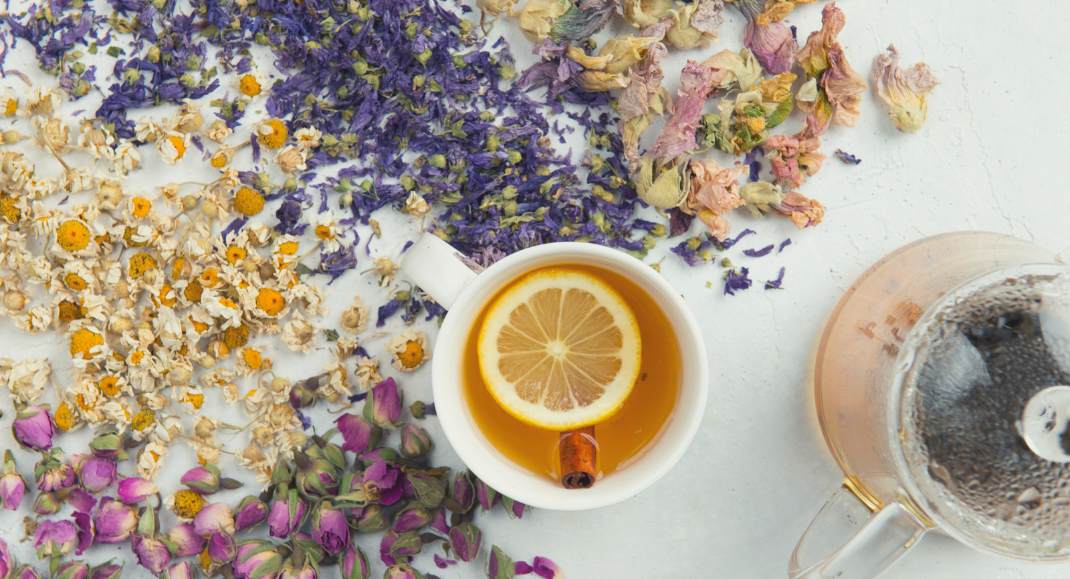
Steep some tea or brew coffee & go for a walk
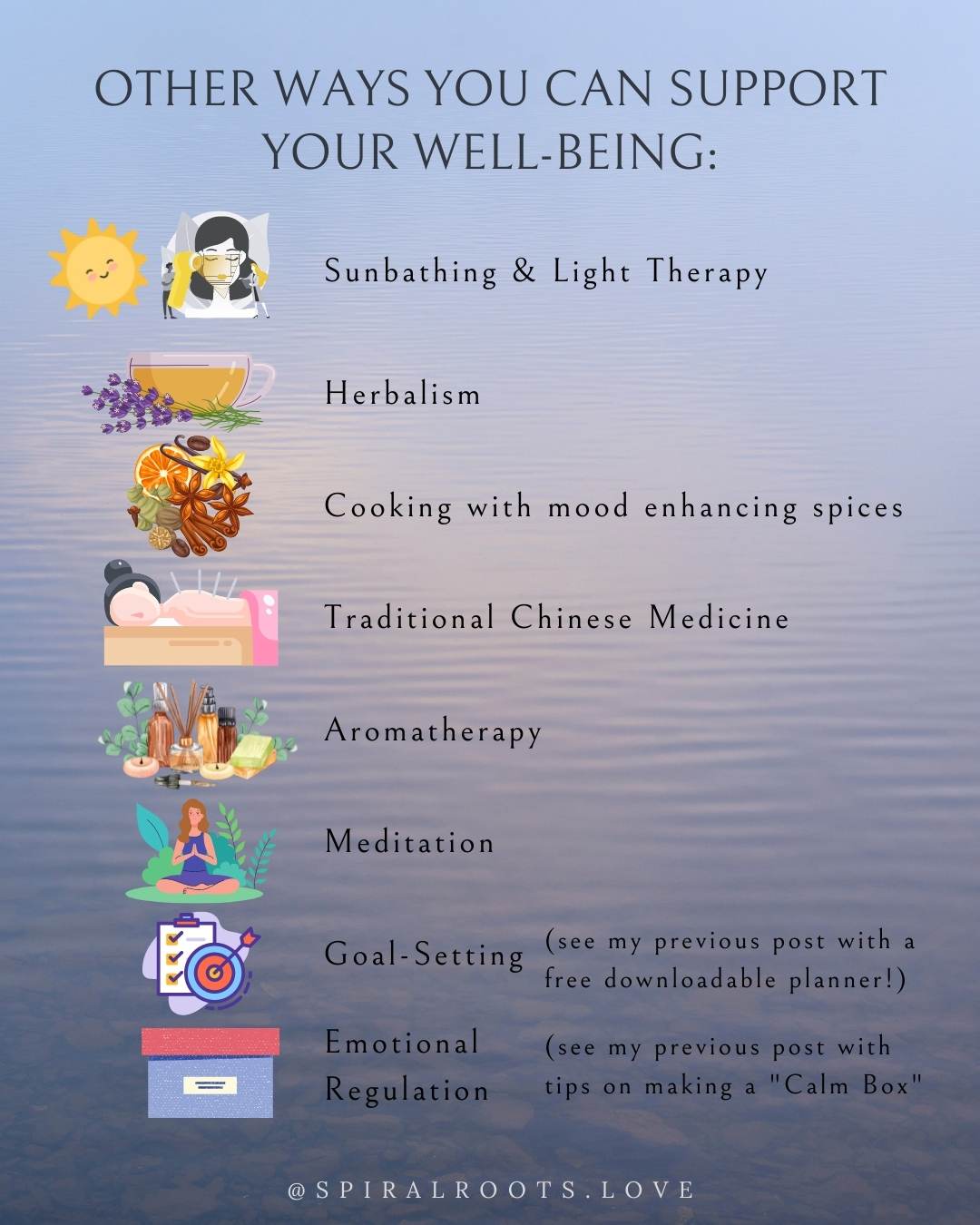
Vitamin D and light therapy
Omega-3 fatty acids
Regular exercise, stretching, and yoga
Nutritious foods (seasonal produce is the best!)
Always include at least 1 activity that you know elevates your mood
Reduce or eliminate substances like alcohol, cigarettes, and others.
Herbalism & Other Alternative Healing Remedies
Traditional Chinese Medicine:
In Chinese medicine winter is considered more yin than the other seasonsand is characterized by cold, dark, damp, and a turning inward. It’s a time to be still and take inventory of your inner world. (Omega)
Herbalism:
There are many Mood Enhance Herbs that you can incorporate into your daily routine to take care of your well-being. I’ve included links below for you to get an in-depth look at some herbs and spices you can add to your usual cooking to elevate your mood. And these spices can also be fantastic for your family members too!
Essential oils have assisted me immensely in so many different situations. Anxiety attacks, depression, quitting cigarettes, discomfort during pregnancy, post-partum support, hunger pangs, fogginess, study support, and so much more! While some people think it’s a placebo-effect or woo-woo remedies, I’m a true believer in the benefits that aromatherapy offers. And if you’ve tried therapeutic-grade essential oils, you know what I’m talking about!
If you’re looking for a consultation for your own personalized aromatherapy blend and recipes, check out my Aromatherapy Service page for more information. I’m looking forward to hearing from you!
Here are some lovely articles on essential oils for mood-boosting and well-being support:
I’m a Young Living Ambassador. If you’re keen to try out some essential oils, I’d love for you to use my code! When you’re on the official Young Living website, use my member #37889092 . Thanks so much for your support!
Goal-Setting for the New Year
The holiday season has its ups and downs. I totally get it. It can be a lot to handle, especially when your mental and emotional health is not feeling quite right. Whether you experience brief moments of elation and joy or a day here and there, I highly recommend you put some of your focus on GOAL SETTING.
When you’re goal-setting for the near future or distant future, you’re bringing your attention to hope, prosperity, abundance, and manifestation. And every single day, you can incorporate just ONE stepping stone that takes you closer to your goal. If you’re intrigued, check out my blog post on GOAL SETTING. You also get a free downloadable planner!
Emotional Regulation
And finally, I’d love to (re)introduce to you the “Calm Box” that I shared in a previous blog post. It’s a special box just for you (or a family member) that can bring you back to alignment, groundedness, and peace of mind. Definitely check it out if you tend to have a difficult time shifting out of your funk. I have a container for my children when they’re experiencing BIG feelings. And they have it accessible under their bunk bed. My small box has essential oil blends, stones, poetry, and tips that help me return back to calmness.
I hope you liked this blog post. Out of the mud, you will come out of this like a lotus flower. And when you do rise above the muck, you’ll be more deeply connected with yourself, empowered, and illuminated.
Again, if you’re experiencing days, weeks, and months of anxiety or depression, contact a medical professional or another person who can help you navigate those tough times. I am sending you love, support, and gratitude for your time.
Happy holidays and virtual hug to you for your perseverance and openness to tend to your well-being.





 Spiral Roots Marketing